Bookmarks
-
Empowering everyone to build reliable and efficient software.
-
I’m Paulo. A software developer based in Lisbon, Portugal, founder of Outer Corner, currently building apps for Apple platforms.
-
I’m Paulo. A software developer based in Lisbon, Portugal, founder of Outer Corner, currently building apps for Apple platforms.
-
Taste used to be a byproduct of the reps. Agents took the reps. So if you're junior you now have to go get the taste and judgment on purpose. A builder's loo...

-
A story about seeking

-
The world’s most valuable assets are stored on rows of servers in giant, anonymous buildings. And they can be stolen.

-
How to discount your expectations

-
A blog about software craft and quality
-
How imprecise UI animations erode trust in product
-
Welcome to Summer Workshop 2026.

-
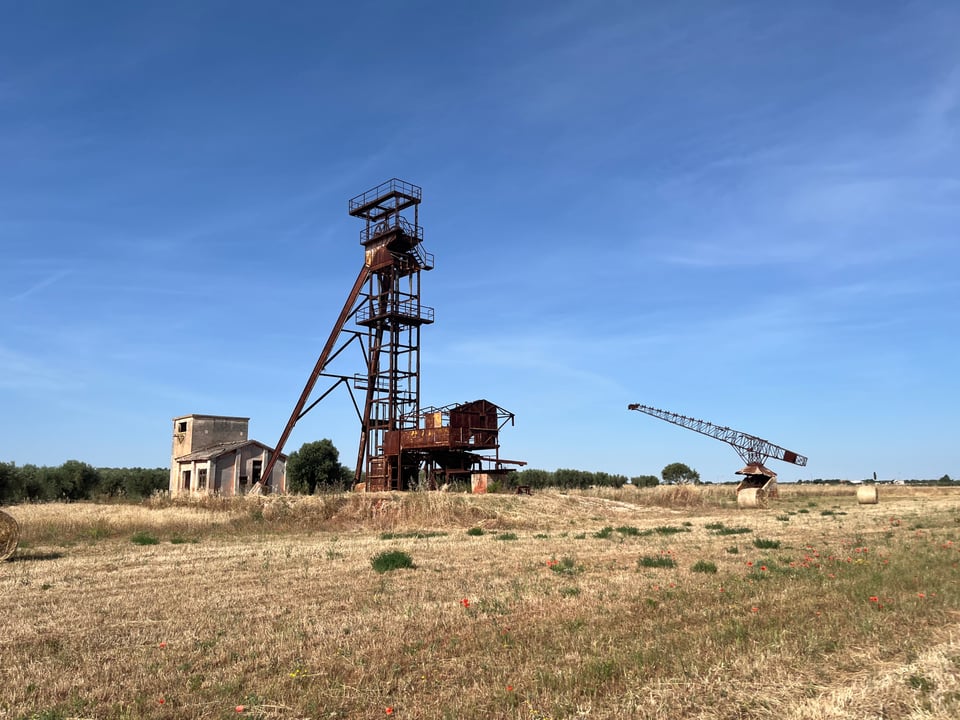
We needed the insight and confidentiality to protect our users, but now that anyone can get the same results from LLM?
-
“Books make me so mad.” That’s what my friend, who used to work part-time as a mover, told me when he learned that my husband and I found a new place to live and I had a lot of books that I needed …

-
Why & how we rewrote Bun from Zig to Rust
-
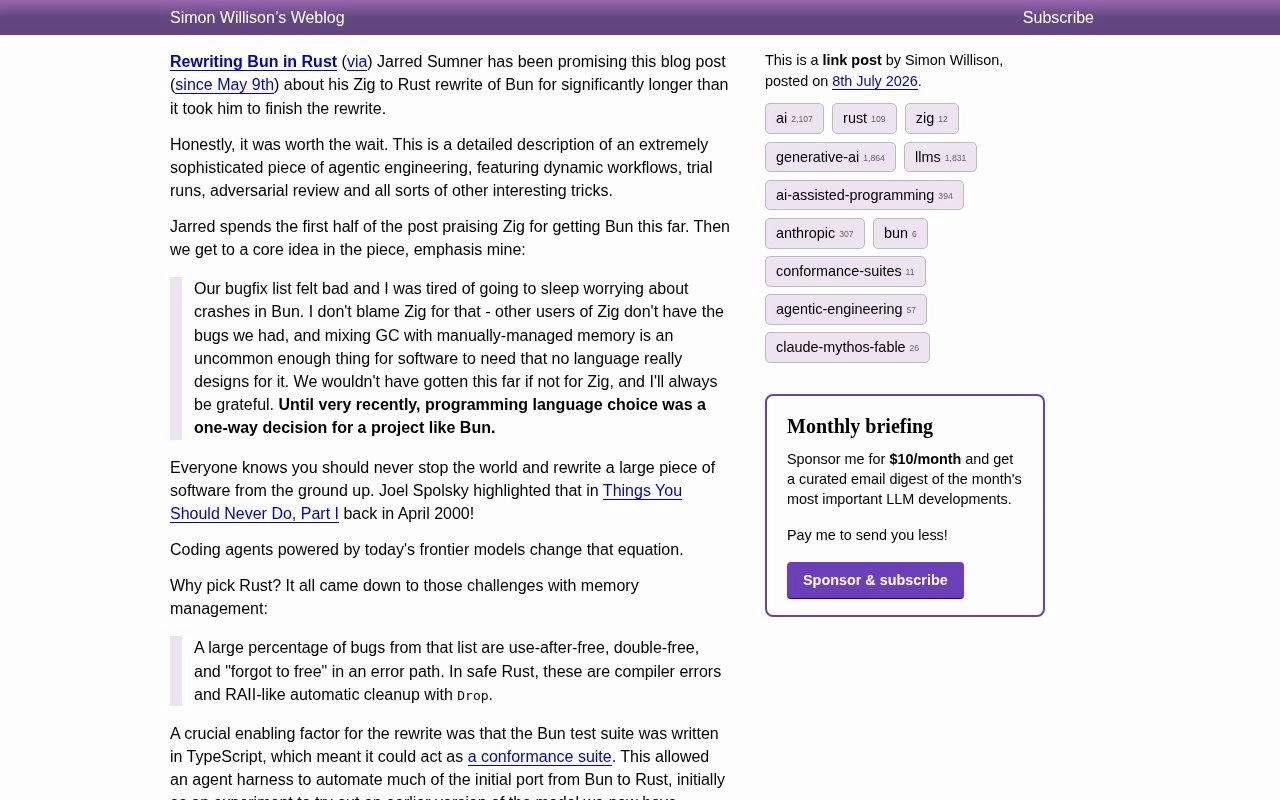
Jarred Sumner has been promising this blog post (since May 9th) about his Zig to Rust rewrite of Bun for significantly longer than it took him to finish the rewrite. …
-
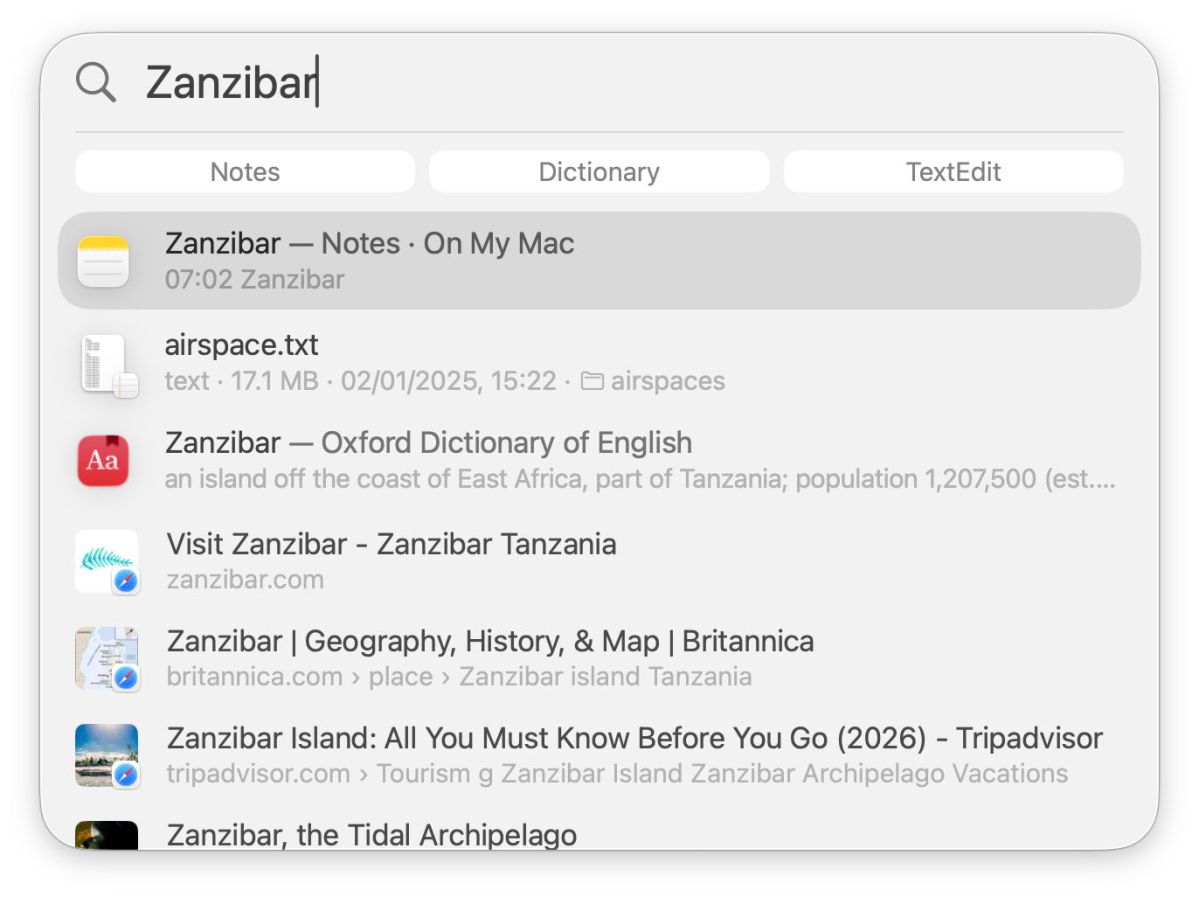
Spotlight’s search window is incremental and ranks search results across many domains. How this works in practice, and why it may not be ideal when searching for files.
-
Better structured concurrency for go
-
We built and released conc, an open-source library that makes it easier and safer to write concurrent code in Go.