Bookmarks
Links I’ve saved and made public. Search them, or subscribe by RSS.
-
In 2019, Iceland made headlines by becoming one of the first countries to officially approve a four-day workweek. But rather than passing a blanket law,

-
Signal President Meredith Whittaker warned Friday that agentic AI could come with a risk to user privacy. Speaking onstage at the SXSW conference in

-
A prominent Palestinian activist who helped lead last spring's protests at Columbia University has been arrested by federal immigration agents.

-
As the press pushes "immunity debt" past the breaking point of believability, are parents ready to wake up to the illness crisis?

-
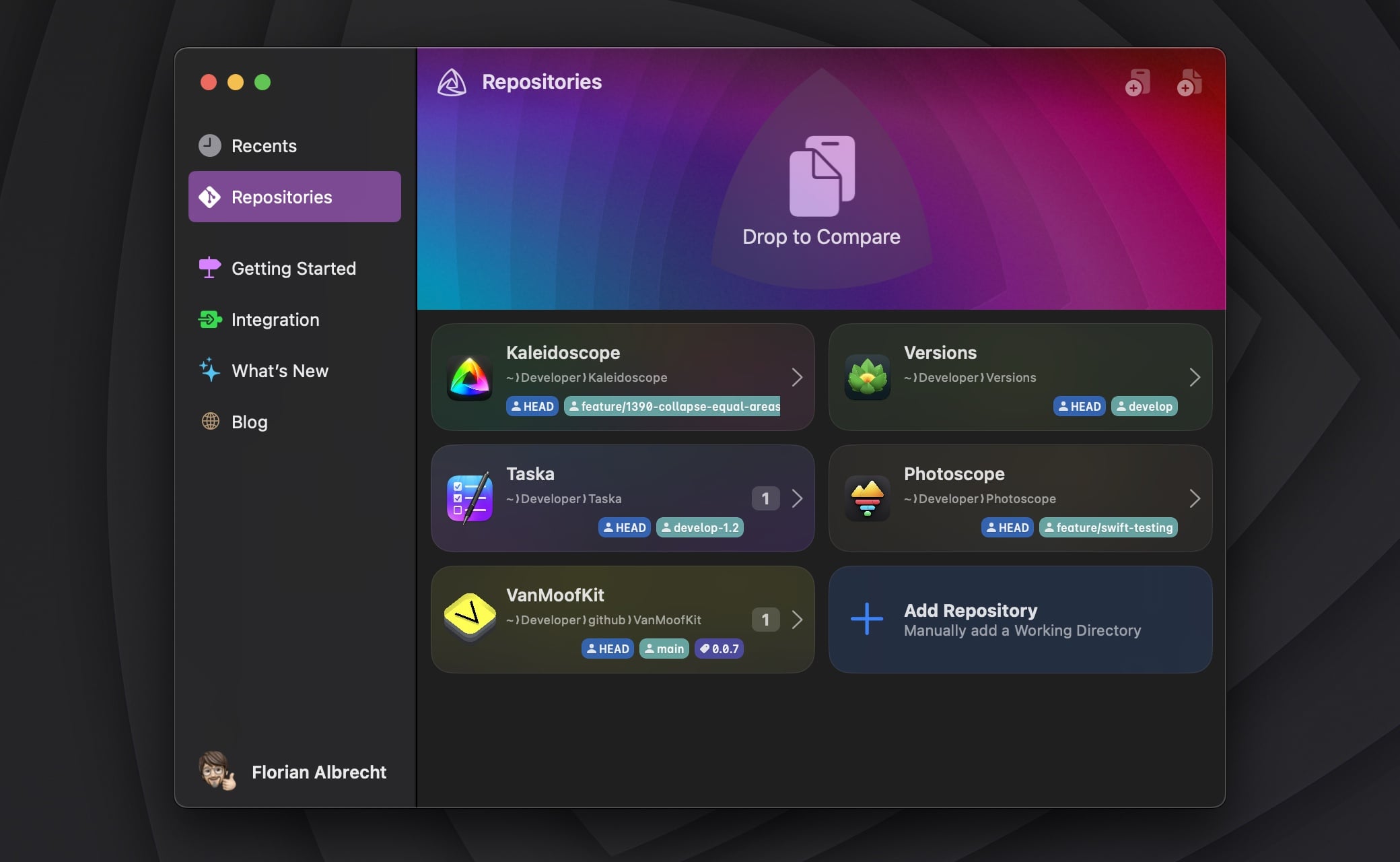
Another quick tip: how do you add a Git Repository to Kaleidoscope, and more importantly, why you really want that.
-
Jackie and Shadow, eagles in Big Bear valley recorded on a live webcam, regain hope three years after their last chick

-
A “distrust” is when a certification authority (CA) that issues HTTPS certificates to websites is removed from a root store because it is no longer trusted to issue certificates. This means certificates issued by that CA will be treated as invalid, likely causing certificate error interstitials in any browser that distrusted the CA. Distrusts can happen for security reasons, compliance reasons, or simply due to a lack of trust in the operators. In the past, the complexity and user impact of distrust events have largely been dependent on the size and usage of a CA—the larger the CA, the longer and more complex the timeline was to distrust it if it misbehaved, and the more likely users were to encounter certificate errors. Nowadays, the situation is different.